
Does Chimney Waterproofing Work, and What Does It Cost?
Chimney waterproofing cost has two useful benchmarks: our chimney repair starts at $49 and chimney cleaning at $59; HomeGuide’s 2026 typical U.S. sealing range is $150–$400, with sealing plus waterproofing up to about $850. Waterproofing can reduce water absorption through sound masonry, but it will not fix an open crack, failed flashing, or a damaged crown.
Our Starting Prices in Denver
| Service | Price |
|---|---|
| Chimney Sweep | from $59 |
| Chimney Repair | from $49 |
| Chimney Inspection | free in-home inspection |
| Chimney Cleaning | from $59 |
Need help now? (720) 780-8924
What Chimney Waterproofing Can—and Cannot—Stop
A water-repellent treatment can help limit moisture entering porous, sound masonry. It is meant to address absorption through brick or mortar—not to bridge a gap or replace a failed chimney part.
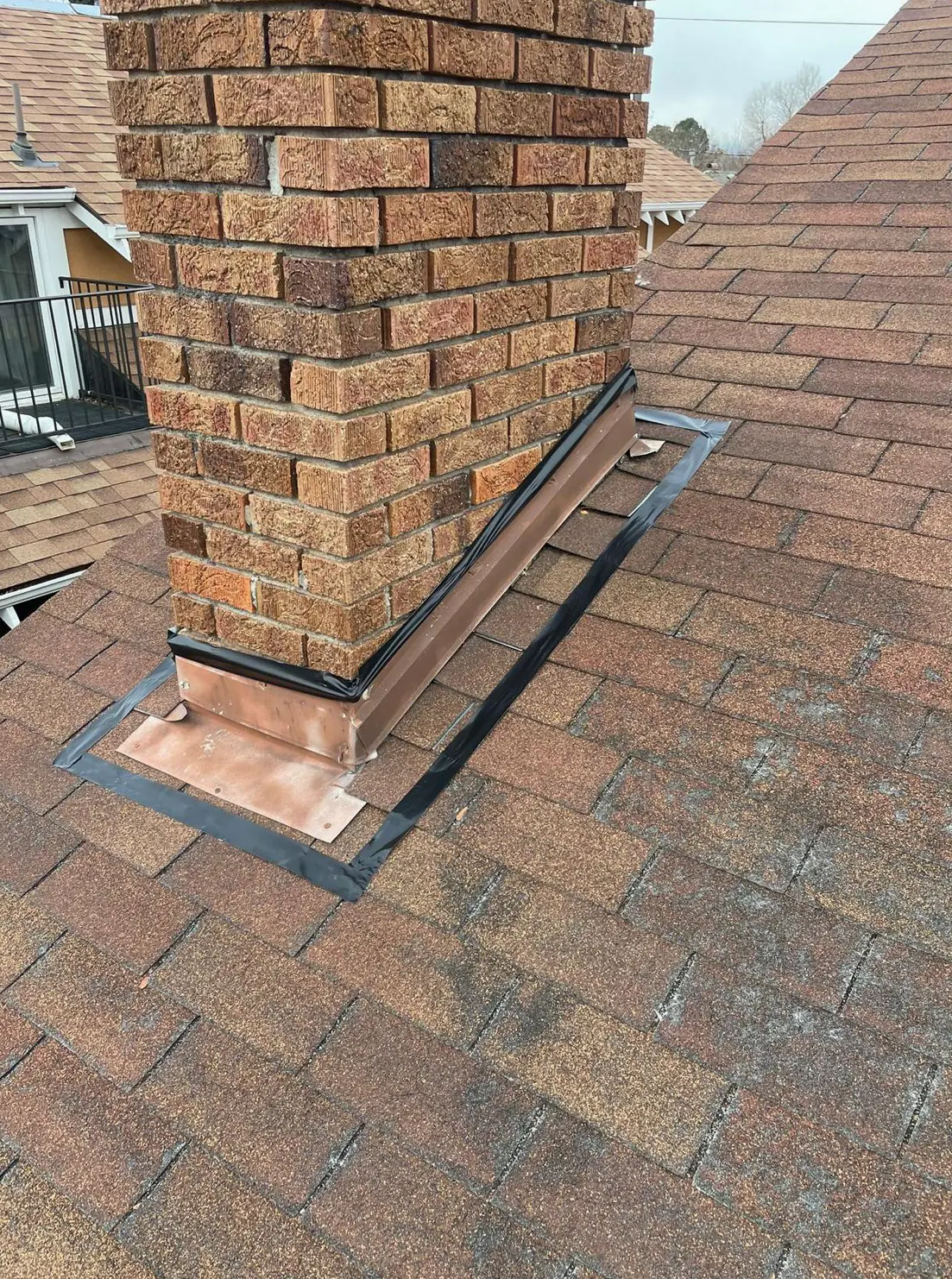
Water can also enter around the crown, flashing, cap, or mortar joints. Those problems need the source identified and repaired; applying a coating over them can leave the leak active and make the damage harder to trace.
The useful first question is where the water gets in. A professional inspection can distinguish moisture moving through masonry from a leak at a seam, opening, or damaged component.
What Chimney Waterproofing Cost Estimates Include
Published market ranges are not the same as a quote for your chimney. HomeGuide’s 2026 U.S. estimate is $150–$400 for chimney sealing; sealing plus waterproofing can cost up to about $850.
Sealing only
HomeGuide places typical chimney sealing at $150–$400. This is a market estimate, not a Denver Chimney Sweep Pros price.
Sealing plus waterproofing
HomeGuide says the combined work can cost up to about $850. The work needed to prepare or repair the chimney can affect the scope.
Inspection before a decision
A free in-home inspection can help identify whether the visible problem points to masonry absorption, a damaged part, or another leak source.
When a Chimney Needs Waterproofing or a Repair
The right work depends on the path water takes into the chimney. These options address different problems, so the inspection should identify the source before you authorize a treatment.
Water-repellent treatment
Consider this when the masonry is sound but moisture appears to be soaking through brick or mortar. It does not close cracks or fix loose, missing, or damaged material.
Targeted chimney repair
A cracked crown, open mortar joint, damaged cap, or failed flashing calls for attention to that component. A surface treatment alone will not correct a physical opening.
Inspection first
Choose an inspection when you cannot tell whether the leak comes from the masonry, roofline, or top of the chimney. The findings help separate the needed repair from any optional water-repellent treatment.
Need help now? (720) 780-8924
How Our Starting Prices Fit Common Chimney Problems
For a leak with a visibly damaged chimney part, our chimney repair starts at $49. That starting price is for chimney repair, not a quoted waterproofing price; the inspection needs to establish the actual work involved.
When the concern is soot or deposits rather than water entry, our chimney cleaning starts at $59. Cleaning does not stop a leak, so it is not a substitute for diagnosing wet masonry or damaged flashing.
When you see a damp patch but cannot locate the entry point, our free in-home inspection is the useful first step. You can also review our prices and the scope of our chimney waterproofing service before booking.
Signs Your Chimney May Need More Than Waterproofing
Look for patterns that help distinguish absorbed moisture from a gap or failed component. Note what you see and where it appears; do not climb onto the roof to check the chimney.
- Water marks near the fireplace — A stain or damp odor inside can point to water entering somewhere above, but it does not identify the entry point by itself. Note whether it appears after rain or snow.
- Cracked or missing mortar — Open joints provide a route for water and may need repair before a repellent treatment makes sense. Photograph the area from the ground if you can see it safely.
- A visible gap at the roofline — A gap or damaged-looking flashing can point to a roof-to-chimney leak rather than absorption through the masonry. Have the connection inspected instead of covering it with a coating.
- A damaged-looking crown or cap — Cracks or missing material at the top can let water enter from above. A water-repellent treatment on the chimney sides will not repair a damaged crown or cap.
Seven Safe Checks Before You Book Chimney Waterproofing
These checks help you describe the problem without walking on the roof or disturbing chimney parts. Stop at a ground-level or indoor observation if a view is not safe.
- Record where the water appears — Use a notebook or phone to note the room, wall, and height of each stain. Check whether the mark is near the fireplace, ceiling, or an outside wall.
- Note when it shows up — Write down whether dampness follows rain, melting snow, or a period of dry weather. A repeating pattern can help the sweep narrow down the likely entry route.
- Check the fireplace only when cold — With the fireplace unused and fully cold, use a flashlight to look for dampness or water marks inside the firebox. Do not reach into a flue or remove parts.
- Look from the ground — Use binoculars to view the cap, crown, and visible masonry from a safe spot. Check for an obvious crack or missing piece, but do not use a ladder to inspect the roof.
- Photograph what you can see — Take clear photos of indoor marks and any visible exterior damage. Check that each image shows the location as well as the detail.
- Ask for the leak source to be identified — When booking an inspection, describe the timing and location of the moisture. Ask whether the findings point to masonry absorption or a component that needs repair.
- Review the proposed work — Before work begins, check that the recommended scope names the affected area and explains whether repair, sealing, or waterproofing is proposed. Confirm that the treatment is intended for the condition found.
Need help now? (720) 780-8924
Why Chimney Waterproofing Can Fail to Stop a Leak
A treatment cannot solve a leak that starts at a different part of the chimney. Water may still enter through a crack, failed flashing, damaged crown, or cap, even if the masonry surfaces have been treated.
Preparation matters too: the source of moisture should be identified, and damaged masonry should not simply be covered over. Ask what area will receive treatment, what repairs are needed first, and how the completed work will be checked.
If water returns after treatment, note where it reappears and when. That detail helps an inspection focus on an unresolved opening or a separate route for water rather than repeating the same surface treatment.
What to Do Before Water Reaches More Chimney Masonry
Arrange an inspection when you see recurring dampness, a new stain, or visible damage at the crown, cap, mortar, or roofline. NFPA 211 calls for chimneys, fireplaces, and vents to be inspected at least once a year; CSIA’s homeowner resources describe that inspection guidance and related sweeping advice.
We provide free in-home inspections and chimney waterproofing in our service area. Call (720) 780-8924 or contact us to book; we are open 24/7, and same-day service is available.
For general inspection guidance, see CSIA Homeowner Resources.
Frequently asked questions
Will waterproofing stop a chimney leak?
It can help limit moisture absorbed through sound masonry, but it will not close a crack or repair failed flashing, a damaged crown, or a cap. The leak source needs to be identified before choosing the work.
What does the $150–$400 chimney sealing estimate cover?
HomeGuide’s 2026 typical U.S. range is for chimney sealing, not a quote from Denver Chimney Sweep Pros. HomeGuide says sealing plus waterproofing can cost up to about $850; the actual scope depends on what the chimney needs.
Can I apply chimney waterproofing myself?
Do not climb onto the roof to apply a product or inspect the chimney. First identify whether the water comes through masonry or from a damaged part; a professional inspection can help determine whether treatment or repair is appropriate.
How do I know whether the chimney needs waterproofing or repair?
Water appearing through otherwise sound masonry may call for a water-repellent treatment, while a crack, open mortar joint, damaged crown, cap, or flashing points to repair. An inspection can identify the source before you choose the work.
Find the Source of the Chimney Leak
Call (720) 780-8924 to book a free in-home inspection and discuss the chimney waterproofing service.