
What Time of Year Should You Sweep Your Chimney?
The best time of year to sweep a chimney is spring or summer, after regular fires stop and before the fall rush. Booking earlier leaves time for cleaning or repairs before you use the fireplace again.
Need help now? (720) 780-8924
What Time of Year Should You Sweep a Chimney in Denver?
Spring and summer are the most practical times to schedule a sweep. You can clear out deposits left by winter fires, identify any issues before the next heating season, and make repairs while you are not relying on the fireplace. Fall is the busy season, so waiting until the first cold spell can make it harder to get work done before you want to burn.
A spring appointment is useful when you have burned wood regularly through winter or noticed soot, flakes, or masonry debris in the firebox. Summer works well too, especially if you did not use the fireplace much in spring. You do not need to wait for a particular month: the important point is to have the chimney checked and cleaned before the next fire season.
How Denver’s Action Days Affect Chimney Sweep Timing
Denver-area indoor burning restrictions run from November through March on Action Days. A sweep does not change whether a fireplace or stove may legally be used on a particular day, so check the air-quality forecast before burning. The Colorado Department of Public Health and Environment says the state posts the Denver-area forecast daily at 4 PM; its indoor burning guidance explains which devices may be exempt.
Denver also restricts solid-fuel devices on high-pollution days unless the device is approved by Denver or the state health department. Because device type and local rules matter, do not assume that a clean chimney makes burning permissible. Scheduling your sweep before fall gives you time to check both the condition of the chimney and the rules for your appliance before the season begins.
Signs Your Chimney Needs Sweeping Before the Season
A calendar is useful, but what you see or smell can mean you should arrange service sooner. Watch for these signs rather than waiting until fall:
- Soot or glaze on the chimney interior — CSIA recommends sweeping a masonry fireplace chimney when sooty buildup reaches 1/8 inch, or sooner if any glazed creosote is present. A shiny, hardened coating is not ordinary loose soot; have a sweep assess it.
- Debris in the firebox — Creosote flakes or pieces of masonry falling into the firebox can signal deposits or deterioration above it. Avoid using the fireplace until a professional has checked the flue.
- Smoke entering the room — Smoke that spills into the room when a fire is lit can point to a blockage or draft problem. Stop using the fireplace and arrange an inspection instead of trying to burn through the problem.
- A downdraft or animal activity — Air pushing into the room or signs of a nest can indicate an obstruction in the flue. Have the blockage assessed before lighting a fire.
Need help now? (720) 780-8924
Spring, Summer, or Fall: Which Sweep Window Fits?
Each season can work, but the best choice depends on when you last used the fireplace and how much time you want before your next fire.
Spring: clean up after winter use
Choose spring if you burned frequently or noticed smoke, debris, or buildup during winter. The cleaning addresses deposits from the season just ended, and any repair needs can be identified before cold weather returns.
Summer: prepare ahead of fall
Choose summer if you want the chimney checked and cleaned before the busy season. It gives you a wider planning window than waiting until temperatures drop and you are ready to use the fireplace.
Fall: act before the first fire
Fall can still work, but it is the busiest season for chimney service. Book before you plan to burn, particularly if the chimney has not been checked since the previous heating season.
After a problem: do not wait for the calendar
Smoke entering the room, debris dropping into the firebox, or a suspected chimney fire calls for an assessment before further use. CSIA recommends a Level 2 inspection after a fire or a weather event that may have damaged the chimney.
What a Chimney Sweep Covers During the Visit
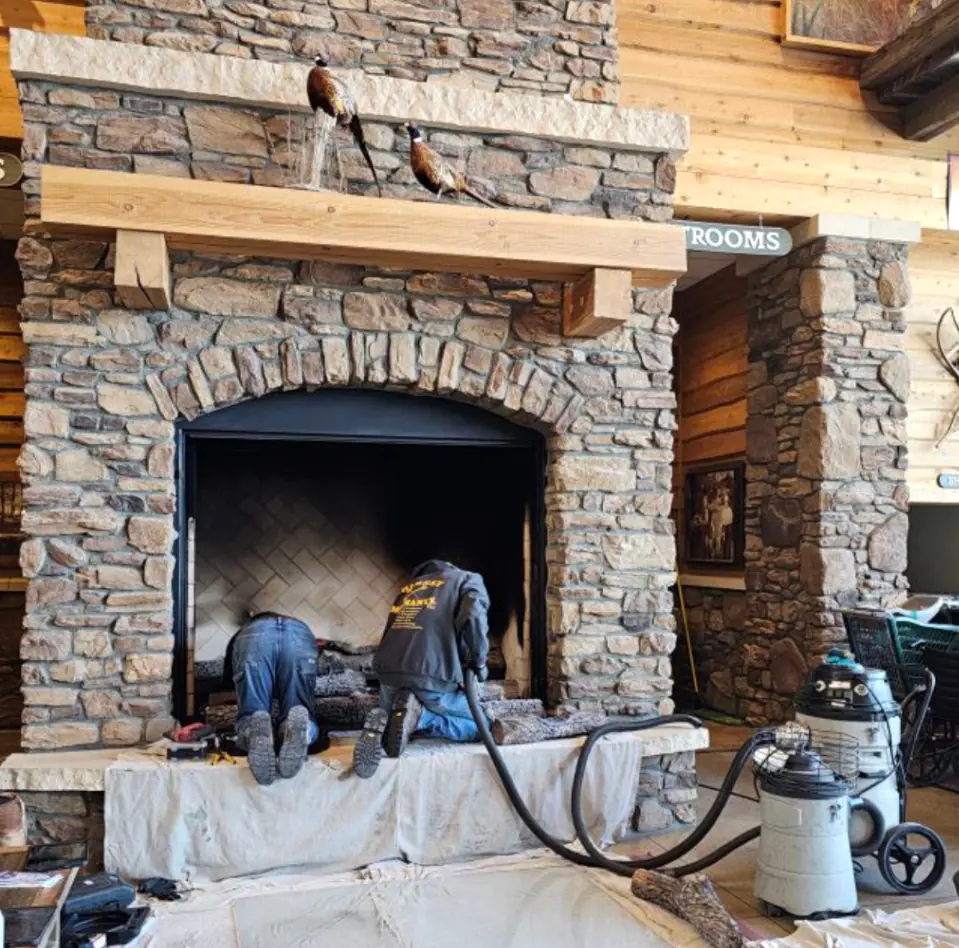
A typical sweep cleans the firebox, smoke shelf, and flue, then vacuums the debris, according to HomeGuide (2026). A complete sweep should also address the smoke chamber, not just the visible firebox; that distinction is included in the CSIA homeowner guidance. Ask what areas are included so you know the cleaning reaches the parts where deposits can collect.
HomeGuide (2026) estimates that a typical sweep takes 1 to 2 hours, and about twice that if the chimney has not been cleaned in over a year. The time can vary with the chimney and the amount of buildup. If the visit identifies a concern, ask what part needs attention and whether the recommendation is for cleaning, inspection, or repair before authorizing additional work.
How to Plan a Chimney Sweep Before Your Next Fire
Use these steps to choose a good booking window and make the visit useful. If you are ready to arrange a chimney sweep service, share what you have noticed and when you last used the fireplace.
- Pick a date before fall — Spring or summer gives you time before the next heating season. Check your calendar and book before you expect to use the fireplace; fall is the busy season.
- Note the last time you burned — Tell the sweep whether the fireplace was used through winter, used only occasionally, or has been idle. This helps put visible deposits and the cleaning history in context.
- Write down what you observed — Record smoke entering the room, downdrafts, falling debris, or animal activity. Note when each happened and whether it occurred with every fire or only sometimes.
- Identify the appliance — Be clear about whether the chimney serves a masonry fireplace, a factory-built fireplace, or another appliance. Different systems have different inspection and cleaning considerations.
- Make the fireplace area accessible — Move loose items away from the hearth and keep the firebox clear of tools or decorations. Check that the sweep can reach the fireplace and the area around it.
- Ask what the cleaning includes — Confirm whether the work covers the flue and smoke chamber as well as the firebox. CSIA describes those areas as part of a complete chimney sweeping.
- Review the findings before using the fireplace — After the visit, check whether the sweep found deposits, blockage, or damage and what needs attention next. If repair or further inspection is recommended, wait to burn until the issue has been assessed.
Need help now? (720) 780-8924
What to Do If You Missed the Spring or Summer Window
You can still arrange a sweep in fall, but do it before lighting the first fire. Tell the service provider if the chimney has gone more than a year without cleaning, because a longer interval can mean more buildup and a longer visit. Do not treat a clear-looking firebox as proof that the flue is clean; deposits can collect out of sight.
If the chimney has already been swept but the fireplace smokes, pushes air into the room, or drops debris, report that specific symptom rather than requesting routine cleaning alone. A chimney may need an inspection or repair instead of another basic sweep. For help deciding whether a sweep is the right service, contact us with the appliance type, last use, and what you noticed.
Why a Seasonal Sweep Does Not Replace an Annual Inspection
The season helps you choose when to schedule service, but it does not determine whether the chimney needs attention. NFPA 211 calls for chimneys, fireplaces, and vents to be inspected at least once a year for soundness, deposits, and correct clearances, with cleaning or repairs done if needed. That annual check is useful even when you did not burn often, because animals, debris, and damage can affect a chimney between uses.
A routine cleaning is not the right response to every problem. CSIA recommends a Level 2 inspection after a chimney fire, before a home sale, or when relining; that inspection includes a video scan. For ordinary seasonal planning, schedule the sweep before you expect to burn, then follow the inspection findings before putting the fireplace back into use.
Frequently asked questions
Is spring better than fall for a chimney sweep in Denver?
Spring is a good choice after a winter of fireplace use, while summer gives you time to prepare before the next heating season. Fall is the busy season, so booking earlier can help you avoid waiting until you are ready to light a fire.
Can I use my fireplace on a Denver Action Day after it has been swept?
A sweep does not exempt a fireplace from Action Day restrictions. Denver-area restrictions apply from November through March on Action Days, and permitted devices depend on state and local rules, so check the current air-quality forecast and guidance before burning.
Should I schedule a sweep if I did not use my fireplace last winter?
Yes, schedule an inspection at least once a year even if you did not burn. A nest, debris, corrosion, or other damage can affect a flue while the fireplace is idle.
How long should I allow for a chimney sweep appointment?
HomeGuide (2026) estimates a typical sweep at 1 to 2 hours, or about twice that if the chimney has not been cleaned in over a year. The work typically includes cleaning the firebox, smoke shelf, and flue, then vacuuming debris.
Schedule Before the Fall Rush
Choose a spring or summer appointment to have your chimney checked and cleaned before your next fire.