
Why Is a Chimney Sweep So Expensive? What Goes Into the Price?
Why is a chimney sweep so expensive? The price reflects how much buildup must be removed and whether the flue, smoke shelf, or chimney access needs extra attention; our chimney sweep service starts at $59.
Need help now? (720) 780-8924
Why Is a Chimney Sweep So Expensive When the Flue Needs More Work?
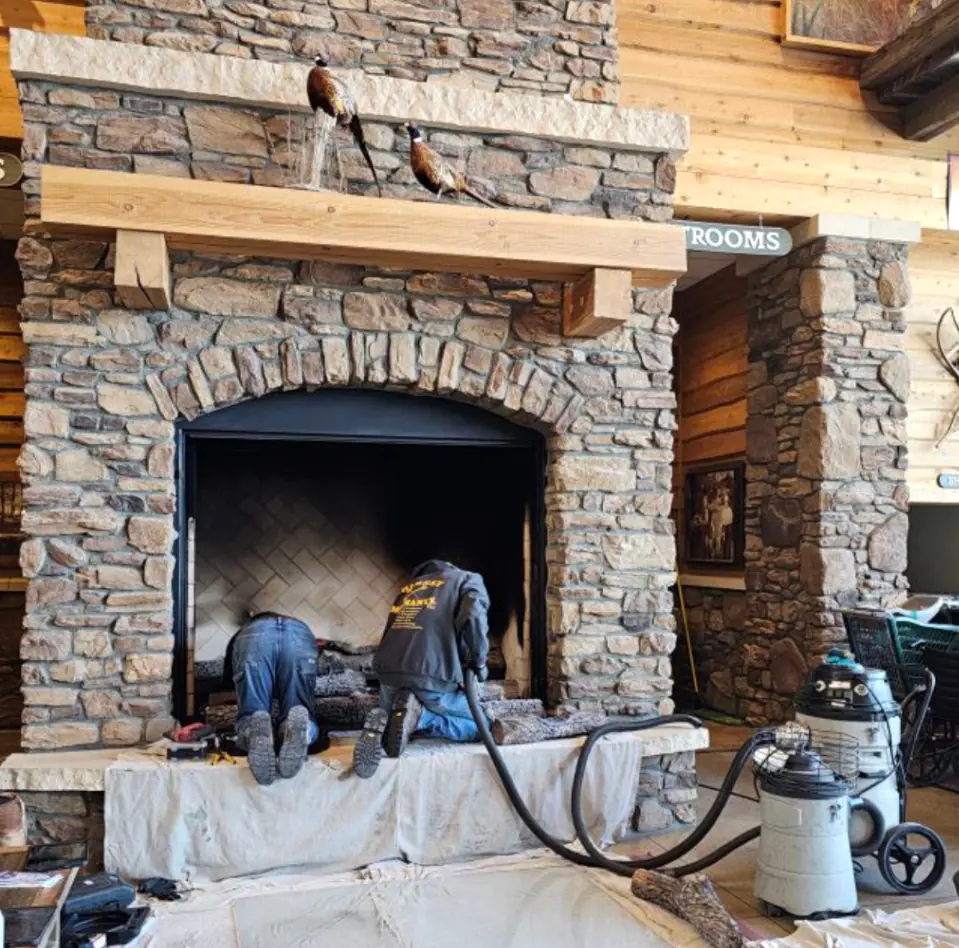
A sweep is more than brushing soot from the fireplace opening. A typical visit can include cleaning the firebox, smoke shelf, and flue, then vacuuming debris; labor, buildup, chimney access, and the condition of the system all affect the work involved. HomeGuide’s 2026 estimate for a masonry wood-burning chimney with one flue is typically $150 to $375, with a national average of about $275.
Our chimney sweep service starts at $59. That is a starting price, not a promise that every chimney will need the same work or cost. For a broader look at pricing, see our guide to how much a chimney sweep costs in Colorado.
Which Chimney Service Fits the Problem You Can See?
Routine sweeping
Choose a sweep when the flue needs soot or creosote removed and there is no known damage to address. A typical sweep cleans the firebox, smoke shelf, and flue, then vacuums debris, according to HomeGuide.
Inspection before a repair decision
Choose an inspection when you see damage, smell persistent smoke, or want the chimney condition checked before authorizing repair work. Our in-home inspections are free; an inspection helps distinguish cleaning needs from a repair concern.
Repair or added work
A damaged crown, liner, masonry, or flashing is not the same job as routine sweeping. If an inspection points to a repair, ask what part is affected and what work is being recommended before approving it.
What Signs Suggest Your Chimney Needs More Than a Basic Sweep?
Check what you can see from the fireplace without climbing onto the roof or reaching into the flue. These signs can help you describe the problem when you arrange a visit:
- Creosote or masonry debris in the firebox — Falling material may point to buildup or deterioration above the firebox. Do not assume debris is only loose soot if it looks like fragments of brick or mortar.
- Smoke entering the room — Smoke that spills indoors when a fire is lit can indicate a draft or flue problem. Stop using the fireplace until a sweep can assess the cause.
- Downdrafts or an animal nest — Air pushing into the room or visible nesting material can mean the flue is obstructed. Avoid lighting a fire while a blockage may be present.
- Heavy or glazed deposits — CSIA recommends sweeping a masonry fireplace chimney at 1/8 inch of sooty buildup, or sooner if any glaze is present. See the CSIA Homeowner Resources for its guidance on buildup and chimney care.
Need help now? (720) 780-8924
How Can You Check That a Chimney Sweep Quote Matches the Job?
Use these steps to compare the work being proposed, not just the number at the bottom of a quote. You can handle these checks from the ground and the fireplace opening.
- Describe the appliance — Tell the sweep whether you use a fireplace, wood stove, or gas appliance. Check the appliance nameplate or owner’s manual if you are unsure; the appliance type affects which parts need attention.
- Note when it was last cleaned — Share the last known cleaning date, or say that you do not know it. A long gap can mean more deposits and more work than a regularly maintained flue.
- Record the symptoms — Write down smoke spill, downdrafts, fallen debris, or an animal sighting. Check whether each symptom happens every time or only under particular conditions, and tell the sweep.
- Ask what the sweep covers — Confirm whether the proposed cleaning covers the flue and smoke chamber, not only the visible firebox. CSIA describes those areas as part of a complete sweeping.
- Separate cleaning from repairs — Ask which recommendation is for removing deposits and which is for fixing damage. Check that any added work names the affected part, such as the liner, crown, or flashing.
- Check whether an inspection is appropriate — A routine annual check is generally a different situation from a chimney that has had a fire, a change in appliance, or relining. CSIA’s inspection guidance describes when a Level 2 inspection, including a video scan, is recommended.
- Confirm the next step before work begins — Review the proposed scope and ask for approval before any additional repair is done. If the recommendation changes, check what new finding prompted it.
How Long Does a Typical Chimney Sweep Visit Take?
HomeGuide says a typical sweep takes 1 to 2 hours. It may take about twice as long when the chimney has not been cleaned in more than a year, because the amount of buildup and debris affects the work.
Set aside time for the cleaning and for reviewing any findings afterward. If you notice smoke entering the room or debris falling into the firebox, describe it when you book so the visit can account for the concern.
How Denver-Area Burning Rules Affect When You Use the Fireplace
In Denver and other listed Front Range areas, indoor burning is restricted on Action Days from November through March, according to the Colorado Department of Public Health and Environment. Check the state’s indoor burning rules before using a wood-burning appliance on a restricted day.
A cleaning does not change which burning rules apply to your appliance. Checking the current restriction before lighting a fire helps you avoid using a device when local rules prohibit it.
Need help now? (720) 780-8924
What Can Make a Chimney Sweep Cost More Than Expected?
The most useful way to avoid surprise work is to clarify the scope before the visit and ask what a new recommendation addresses. Cleaning, inspection, and repair are related but distinct tasks.
- Treating every chimney as the same job — A flue with substantial buildup or an obstruction may require more attention than a routine cleaning. Share what you know about the cleaning history and symptoms before booking.
- Approving repairs without a named finding — Ask which part needs repair and what the inspection found. A recommendation should identify the concern rather than leave you guessing whether it is cleaning or damage.
- Relying on chemical products instead of sweeping — CSIA says chemical creosote products do not replace mechanical sweeping and an annual inspection; debris still needs to be removed from areas such as the smoke shelf and offsets.
- Skipping an inspection after a major change — A fire, sale, appliance change, or relining can call for a more detailed inspection than a routine cleaning. CSIA’s Level 2 guidance explains when a video scan is recommended.
How to Book a Denver Chimney Sweep Without Guessing at the Scope
Gather the appliance type, the last cleaning date if known, and a short description of any smoke, draft, debris, or animal issue. Then book through our contact page or call (720) 780-8924; we serve Denver and towns within 60 miles.
We offer same-day service, and visits can be booked through our chimney sweep service. If you are weighing the work against continued use of the fireplace, our article on whether a chimney sweep is worth it explains the maintenance decision.
Frequently asked questions
How much should you pay for a chimney sweep?
HomeGuide’s 2026 estimate for a masonry wood-burning chimney with one flue is typically $150 to $375, with a national average of about $275. Our chimney sweep service starts at $59, and the work needed can vary with the chimney’s condition.
How much does it cost for a professional chimney sweep if the flue has not been cleaned in years?
The amount of buildup can affect the work and time required, so a long gap since the last cleaning may change what the visit involves. HomeGuide says a sweep may take about twice as long when a chimney has not been cleaned in over a year.
Does a high chimney sweep quote mean I need a repair?
Not necessarily: a quote may reflect cleaning scope, access, or a separate repair recommendation. Ask which chimney part was found to need repair and what evidence supports that work before approving it.
Do gas fireplaces need a chimney inspection?
Yes. CSIA recommends annual inspection of gas-heated chimneys because nests, debris, and corrosion can block or damage the flue even when you do not burn wood.
Get a Clear Chimney Sweep Plan
Share your appliance type, cleaning history, and any symptoms when you book so the visit can address the right concern.